cart drawer top
Image
Reply

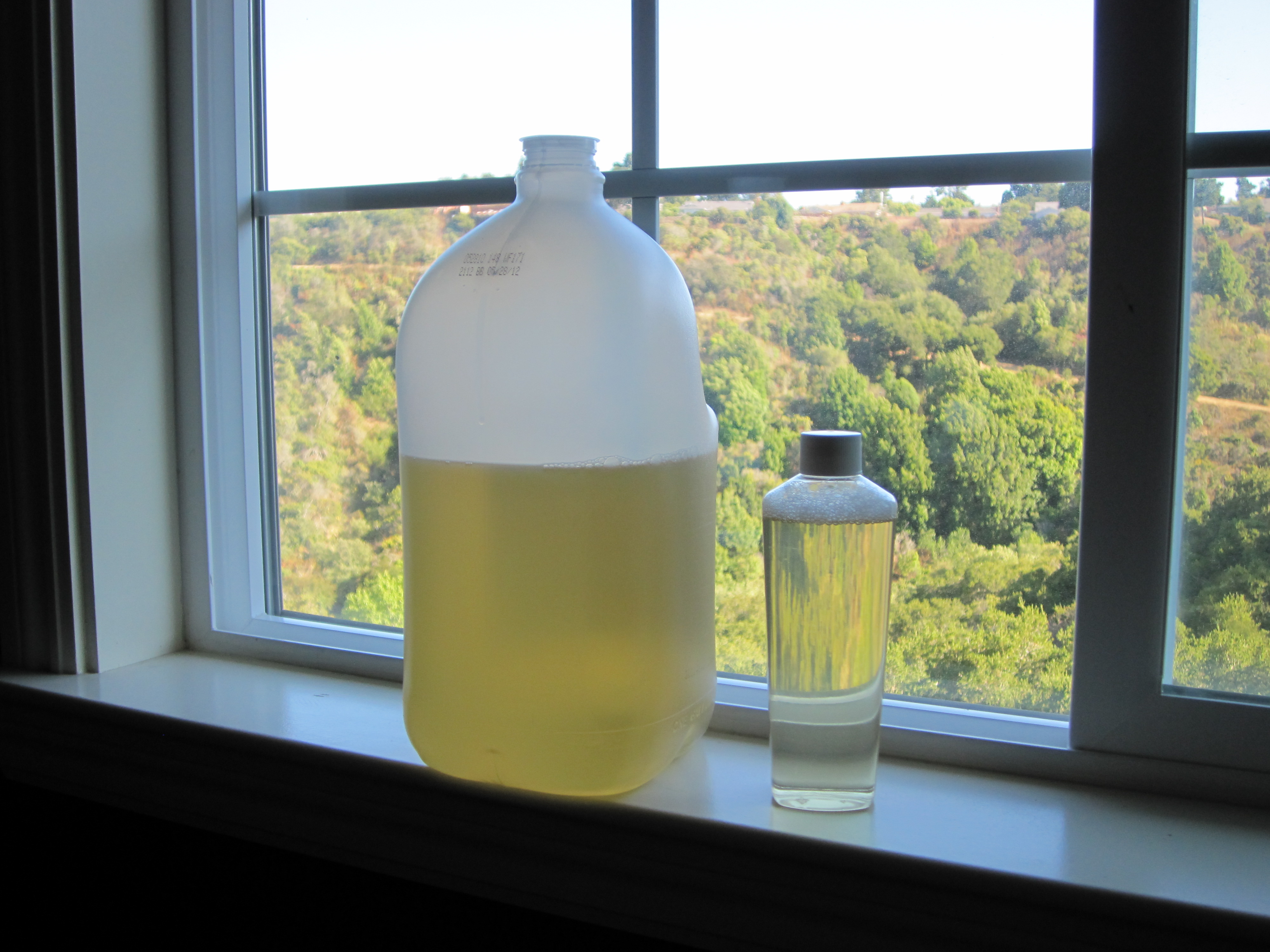
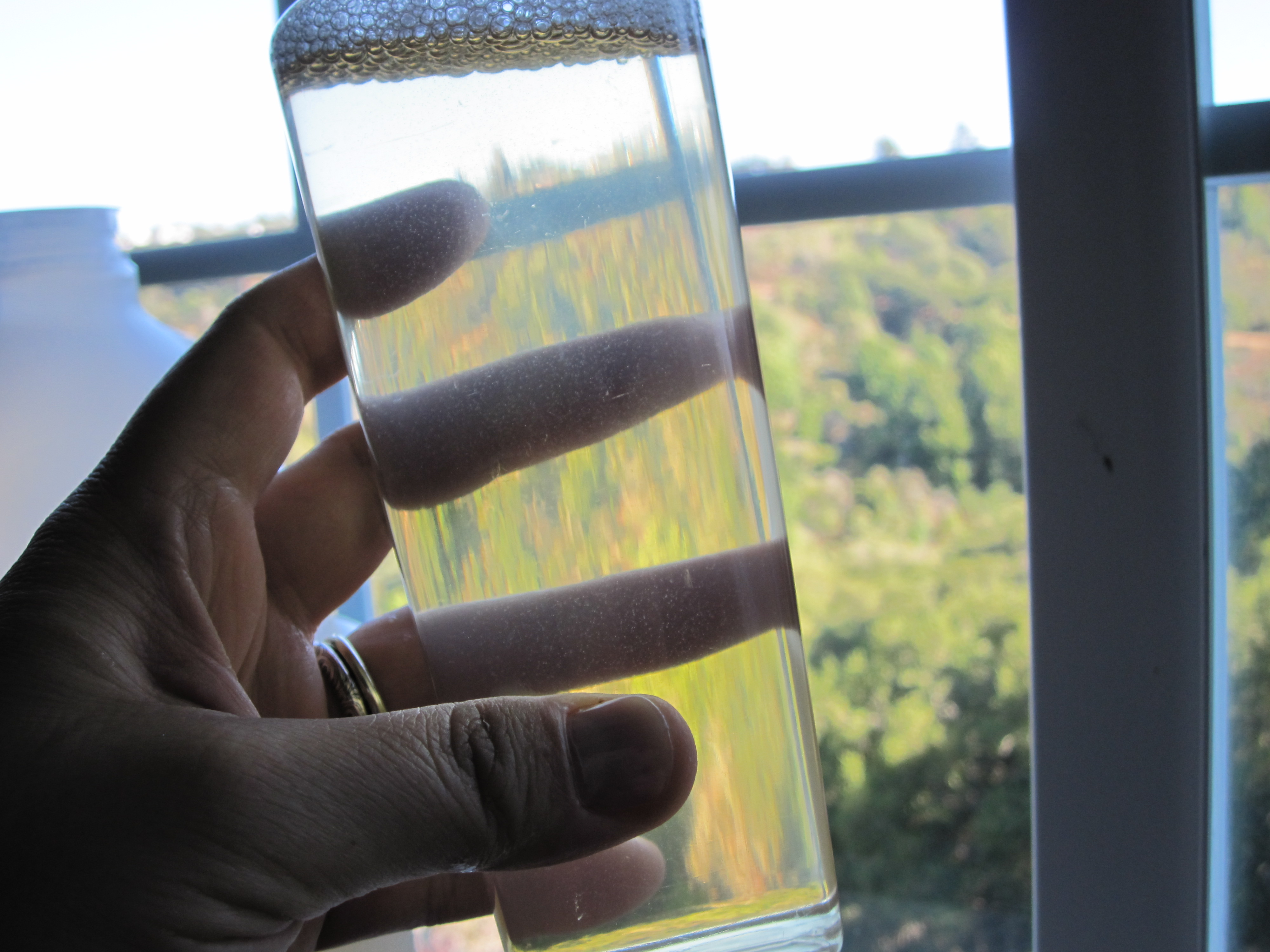
This past week I made Liquid soap! I used an old slow cooker. Mixed olive oil, coconut oil, cocoa butter with potassium hydroxide and water. I cooked it for 5 hours and everything I have read said that by 3-4 hours I was supposed to have a paste that looked like petroleum jelly sort of translucent. At 5 hours I had something that looked like mashed potatoes. I pulled some of it out to dilute into boiling water. It's supposed to be fairly clear, but mine was murkey cloudy. But it did lather nicely so I knew it was indeed soap. I have read that if the liquid soap is cloudy then it probably needs to cook longer. Well, I needed to go to sleep so I had to turn the slow cooker off. The next night I cooked for a couple more hours. It still looks like mashed potatoes, maybe a little less opaque, but no where near petroleum jelly. I determined that after 7 hours of cooking that it was DONE.
Tonight I am in the process of diluting my paste with later to make liquid soap. I heated the paste and water in the slow cooker. The paste is just about melted into the water. This liquid soap looks much more clear than the tester. So maybe indeed the paste needed to cook longer. I need to find a container to store the 6.5 lbs of liquid soap I just made. I think that's about a gallon. I'm going to keep this whole batch uncolored and unfragranced. That way when I pour it into smaller containers I can decide what fragrance and/or color to use. I don't want to use the same color and/or fragrance for the whole batch.
Was it worth it to do all of this work rather than buy liquid soap at the store? Hmm… saved a little money, but spend a lot of time on it. But it's a true soap, without any synthetic detergents which so many of the store bought liquid cleansers contain. Have you looked in the ingredients of your liquid cleansers? Ever seen Sodium lauryl sulfate (SLS), sodium laurilsulfate
or sodium dodecyl sulfate (SDS or NaDS), or Sodium laureth sulfate, or sodium lauryl ether sulfate (SLES)? These are all detergents and surfactants. I can say for sure that I have liquid SOAP and I know exactly what's in it. Is it worth it? I liked making it. It was a good experience and I'd do it again. Especially now that I know what to expect. Not sure why my soap took so long to cook. Maybe it's the slow cooker. Anyway, I'd make it again.
This weekend I made 2 lbs of soap. I used a coconut oil, olive oil, cocoa butter recipe with sodium lactate. I split it into four 1/2 pound (about 2 bars) batches and added of the following additives for the different batches:
There is a significant difference in coloration between the gelled milk soaps and the non-gelled milk soaps. I did this test with bastile soap, but those won't be really ready to use for months, so that's why I repeated the test with a recipe that should be ready in about a month.
When I compare the fragrance of the powdered milk soaps with the bastile half and half, oatmeal, honey soaps I think the half and half soaps smells more buttery. I don't know if it's because I used half and half as opposed to milk or if it's because I used powdered milk. It was much easier to do than the frozen half and half that I had to use last time.
I also did all the soap making at about room temperature. Which means I let the lye water cool down and the melted oils/butters to cool down to about room temperature before mixing. I had much more time to work the batter. I could add additives, fragrances, and color (if I chose to) with plenty of time to play. Usually I soap much warmer and the batter thickens up pretty quick. If I'm not careful I end having to glop the soap into the molds rather than pour. I think I really like room temperature soaping. I can make a larger base batch and still have plenty of time to divide it up to add different fragrances or colors or other additives. I just have to wait for everything to cool down, which can be tricky for an impatient person.
I forgot or ignored the fact that milk soaps, when allowed to gel, turn the soaps medium brown/tan color. Duh! The milk sugars carmelize in the heat and darken the soaps. So it doesn't really matter what colorants I put into the soaps. Oh well, next time I try to prevent gel by putting them into the freezer after I pour.
The sodium lactate is WONDERFUL! I unmolded and cut the soaps at about 11 hours. That's really quick (I couldn't wait until tomorrow)! They all came out of their molds lickety split and the fondant texture mat made clean, beautiful impressions on the soaps. All the fragrances came out really nice. Champagne, cherry blossom, coffee bean, and white tea and ginger.
So I did a little masterbatching today. I mixed enough of the oils to four 1 lb batches of soap; and enough lye water for those 4 lbs of oil. That way I can weight out enough of both to make my 1lb batches with different fragrances and/or color. I chose a basic coconut oil/olive oil/tallow recipe. I also added sodium lactate and used goat's milk for each of the batches. The sodium lactate is supposed to make harder bars of soap. I put each of the batches into different molds and used different fragrances. I did use some of the Wilton's fondant texture sheet, so we'll see how those turn out. The masterbatching went quite well. I think next time I'll do batches with powdered buttermilk ad added silk powder or oatmeal and honey (this time not in a castile soap) or kaolin clay…
Oh yeah, the bastile soap I made a couple of weeks ago with colloidal oatmeal and honey smells WONDERFUL. A real natural yummy scent. Every time I stop by them I have to sniff them. I can't wait to use them, months from now. That's why I want to make the oatmeal honey soap in a recipe that doesn't require as much cure time as castile/bastile. I also wonder what the difference will be between the half and half that I have used in past bars compared to the powdered goat's milk that I used today.
So, planning my next soaps. Even though my mass testing of various recipes has ended, I really like 1lb batches. I get 4-5 bars out of each pound. I'll pick just of few of the many recipes I have made and continue to play. I'm still playing around with fragrances, molds, coloring. I've also purchased some sodium lactate, which is a humectant as well as being know to harden up soaps. I do like harder bars of soap, so maybe using sodium lactate will harden up some of the softer recipes. I continue to purchase fragrance oils and essential oils. I have more than I know what to do with. It's too bad I can't smell them before purchasing. I also purchased a fondant imprint mat. Usually it's used to impress a pattern onto cake fondant, but wouldn't it produce a nice imprint onto soap. Wilton Graceful Vines fondant imprint mat Hopefully. I've made my Half and Half soap. I purchased some powdered goat's milk and buttermilk. I haven't tried the powdered versions so that'll be new. I also have some Micro Fine Silk Powder to add silkiness and slip, and Kaolin clay which also adds slip and is supposed to be good for oily skin.
I've purchased more MP soap. I want to make more glow-in-the-dark soaps among other designs.
I think I will try to make those room fresheners, the ones with the sticks in a bottle with fragrance oil in the bottle. I just need a place to put the bottles where the cats can't knock them over. I am also waiting on an order of some absorbent beads that I can impregnate with fragrance and put into sachets.
I just got some Potassium Hydroxide so maybe this weekend I'll try making some liquid soap.